How I Architected a Complete Reporting Solution on Fabric F2
In this blog post, I want to show you how I architected a customer reporting solution using a single Microsoft Fabric F2 capacity and Power BI...
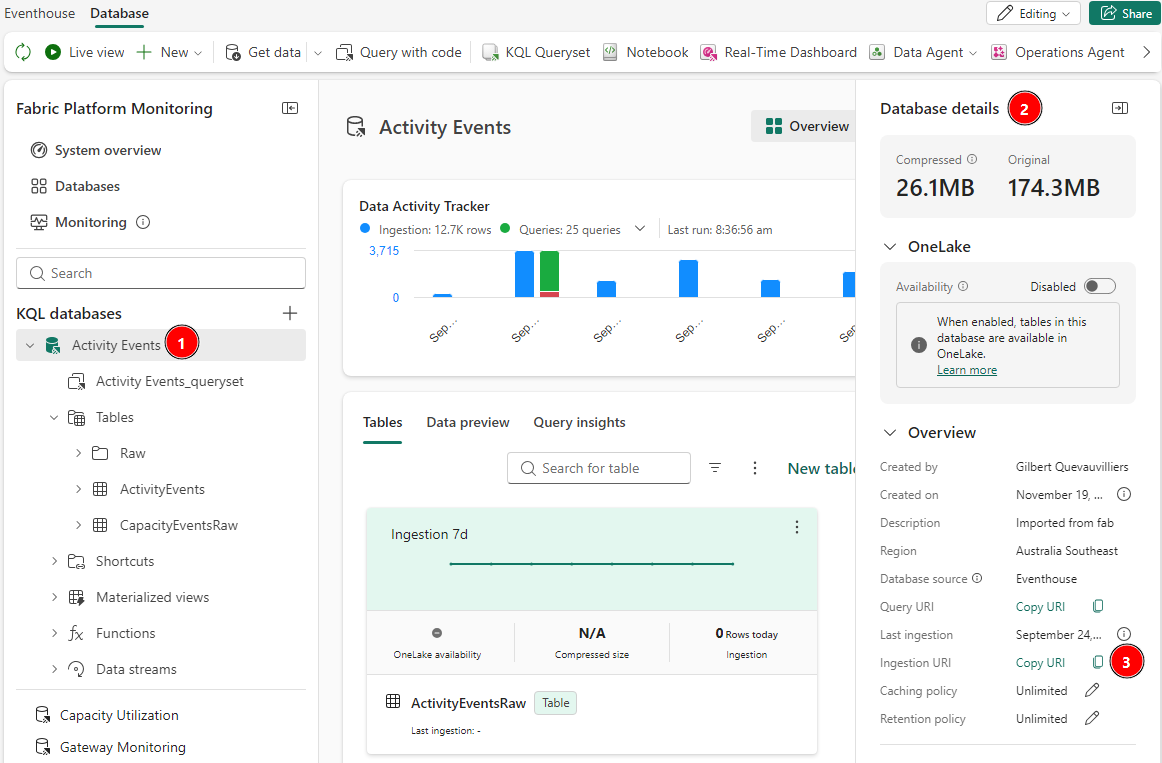
This blog post will explain how to capture the data from real-time events for Fabric Operation Events and store the results in a Lakehouse. My...
In this blog post, I will show you how to set up Fabric Capacity operation events. You can find more information here: https://learn.microsoft...
I use VS Code and my IDE when working in Microsoft Fabric and Power BI. Over time I have downloaded and even created my own skills which I use...
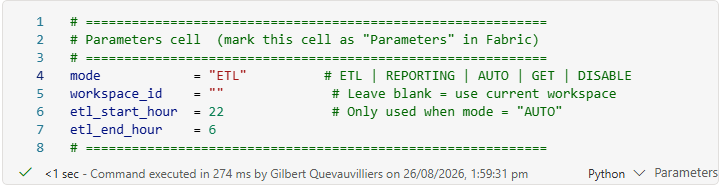
After reading about the new SQL Pools feature for Warehouses in Fabric, I had an idea, if I could change the SQL Pool configuration based on t...
In this blog post below, I explain what the two skills do, why I use them in Fabric Python notebooks, how they can reduce unnecessary capacity...
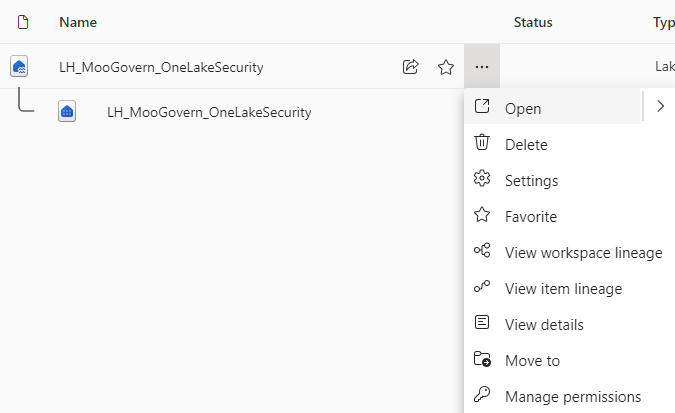
In this blog post, I will show you how to configure OneLake security for a Microsoft Fabric Lakehouse. We will remove the default broad-access...
How to use Microsoft Purview Protection Policies so a Fabric workspace Admin can still fully administer the workspace… but is completely block...
In this blog post I’m going to show you how you can use variable libraries with connection strings as well as items. This approach allows you ...
In this blog post I am going to show you how to use a Fabric Python runtime notebook (This is the notebook which only uses Pure Python functio...
Newsletter
A curated digest of community blogs, product news, videos, and podcasts — delivered without the noise.